7 Tips for Buying Glucosamine Sulfate Potassium Chloride
Buying Glucosamine Sulfate Potassium Chloride requires more than comparing prices and counting capsules. This ingredient combines glucosamine sulfate with potassium chloride, so identity, purity, and formulation details deserve careful attention. A bright label proves very little. Sometimes, the smallest print matters most.
Dr. Jason Theodosakis, an orthopedic physician and glucosamine researcher, has emphasized, “Glucosamine sulfate is the form that has been studied most extensively.” That observation offers useful direction, but it should not become a guarantee of effectiveness. Individual responses vary, and product quality can vary even more. Honest evaluation matters.
This guide presents seven practical tips for selecting Glucosamine Sulfate Potassium Chloride from a reliable supplier. We will examine the exact chemical name, active-content specifications, potassium levels, manufacturing standards, and certificate of analysis. We will also consider third-party testing, batch traceability, packaging protection, and transparent labeling. Look for evidence, not impressive language.
A dependable supplier should explain testing for identity, assay, moisture, microbial contamination, and heavy metals. Pharmaceutical-grade or food-grade claims should be supported by recognizable standards. If documentation is unavailable, caution is reasonable. Maybe the product is acceptable. You simply cannot verify it.
Buyers should also review storage requirements and intended use. Heat, humidity, and poor sealing can affect stability before the container reaches your shelf. People using medication or managing kidney, heart, or blood-pressure conditions should consult a qualified healthcare professional. The cheapest option may save money today, but weak documentation can create expensive uncertainty tomorrow.
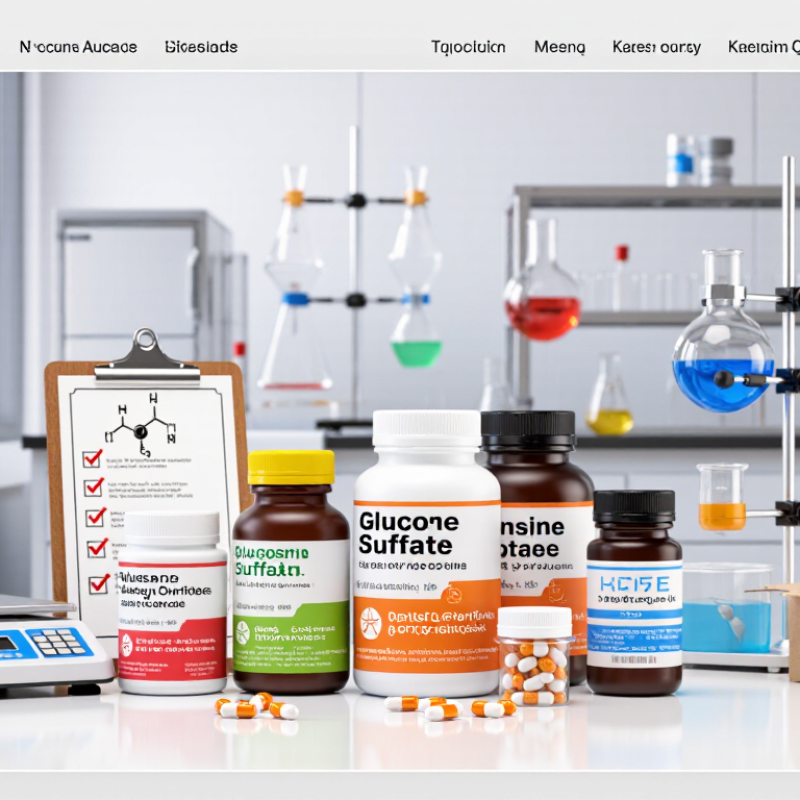
What Glucosamine Sulfate Potassium Chloride Is and How It Works
Glucosamine sulfate potassium chloride is a salt form of glucosamine sulfate. Glucosamine is an amino sugar naturally found in joint cartilage and surrounding tissues. Potassium chloride helps stabilize the sulfate ingredient during production. It is not the same as taking potassium as a mineral supplement.
After ingestion, glucosamine enters the bloodstream and may support compounds involved in cartilage and joint fluid. Its effects are usually gradual, not immediate. Some people report less stiffness or discomfort, especially with knee osteoarthritis. Research findings remain mixed, however. It may ease symptoms for certain users, but it has not been proven to rebuild damaged cartilage.
Read the Supplement Facts panel carefully. Check the actual glucosamine sulfate amount, not only the total salt weight. Look for clear sourcing, batch testing, and a reasonable expiration date. Shellfish-derived ingredients can matter for people with allergies, although some products use non-shellfish sources. Potassium content also deserves attention if you have kidney disease or follow potassium restrictions. Glucosamine may interact with warfarin and could affect blood sugar management. Ask a qualified healthcare professional before use.
Small details matter. Take notes on stiffness, walking comfort, and unwanted effects for several weeks. A practical trial needs patience. My own caution is simple: a higher dose is not automatically better, and supplement labels are not always easy to interpret.
How to Check the Strength and Formulation on the Label
When buying glucosamine sulfate potassium chloride, read the Supplement Facts panel before noticing the front label. The front may show a large number, but that number can describe the whole compound. It may not equal the actual glucosamine amount.
Check the serving size carefully. One capsule may provide a different quantity than two capsules. Look for wording such as “glucosamine sulfate potassium chloride complex” and note the amount per serving. Some labels also state glucosamine sulfate separately, which makes comparison easier. Do not assume that a higher number means a stronger product. The chemical form matters.
Read the ingredient list for fillers, colors, shell materials, and possible allergens. A capsule shell can matter to people avoiding specific animal-derived ingredients. I once treated a large front-label number as proof of better value. That was too simple. The serving size changed the comparison completely.
Look for a lot number, expiration date, storage instructions, and clear manufacturer contact details. Independent quality testing can provide additional confidence, although a seal alone does not prove effectiveness. Be cautious when the label hides the form or uses vague “blend” language. Those details deserve a second look. People with shellfish allergies, chronic conditions, or regular medicines should ask a qualified healthcare professional before use. Labels are useful, but they are not personal medical advice.
How to Check Glucosamine Sulfate Potassium Chloride on the Label
The chart shows the approximate theoretical mass breakdown of a 1,500 mg serving of Glucosamine Sulfate 2kcl, based on its commonly used chemical formula. Use the label to confirm the serving size, salt form, total compound amount, and whether potassium is separately declared.
A label stating “1,500 mg glucosamine sulfate potassium chloride” refers to the complete salt compound, not necessarily 1,500 mg of glucosamine base. Check that “glucosamine sulfate 2KCl” or an equivalent salt description is clearly listed, and compare the amount per serving with the recommended daily serving.
Which Quality Standards and Certifications Matter
7 Tips for Buying Glucosamine Sulfate Potassium Chloride
Quality begins with identity, not attractive packaging. Ask for a current certificate of analysis for each batch. It should confirm glucosamine content, potassium chloride levels, moisture, appearance, and impurities. Testing should include heavy metals, microbiological limits, and residual solvents where relevant. A clear lot number should connect the report to the delivered material. Small detail, serious protection.
Look for manufacturing facilities operating under GMP principles. ISO 9001 supports documented quality systems, while ISO 22000 or HACCP can strengthen food-safety controls. These certifications are useful, but their scope matters. Confirm the certificate covers the actual facility and product category. An outdated certificate proves very little. Third-party laboratory testing adds confidence, especially when methods and detection limits are disclosed.
Reliable suppliers should explain raw-material origin, storage conditions, retest dates, and transport controls. Request allergen, non-GMO, and suitability statements when your application requires them. Pharmacopoeial standards may provide stronger identity and purity benchmarks, but not every product follows the same monograph. Do not treat a familiar logo as automatic evidence of quality. I would also compare several batch reports, because one excellent sample can create false confidence. Documentation may look complete while traceability remains weak. That is worth questioning before purchase.
What to Consider Before Choosing a Trusted Supplier
Buying glucosamine sulfate potassium chloride starts with choosing a supplier you can verify, not simply one offering the lowest price. Ask for a current certificate of analysis for every batch. It should show identity, assay, moisture, impurities, and testing methods. Confirm that the document matches the product code and lot number on the packaging. Small mismatches deserve attention.
A dependable supplier should explain its manufacturing controls clearly. Look for documented quality systems, qualified laboratories, traceability records, and suitable storage conditions. Request evidence of raw material origin and production-site compliance with applicable standards. A retained sample can also help when the material will be used in a supplement or formulation. Good suppliers answer technical questions directly. Vague replies are warning signs.
Communication matters more than many buyers expect. Ask about lead times, minimum order quantities, packaging seals, and temperature or humidity requirements during transport. Check whether the supplier reports deviations honestly instead of promising flawless performance. No system is perfect. I would rather see a clear corrective-action report than receive a polished answer with no details. Before signing a long-term agreement, compare a small trial shipment with the supplier’s documents and your own quality checks. Also review whether specifications remain consistent across multiple lots, because one acceptable batch proves very little.