Best Ankle Braces for Support and Injury Prevention?
When it comes to ankle protection, the right support can make a significant difference. According to Dr. Emily Sanders, a renowned sports medicine specialist, "Ankle braces are vital in preventing injuries and enhancing performance." This insight highlights the importance of selecting the best ankle braces available.
Many athletes and active individuals rely on ankle braces to provide stability and reduce the risk of injury. Quality braces offer compression and support that can alleviate pain during physical activities. However, not all ankle braces are created equal. It is essential to consider factors like the type of activity, fit, and level of support needed. Professional athletes often stress the importance of proper gear, yet many novices overlook this crucial aspect.
Finding the ideal ankle brace requires careful evaluation. Some popular options exist, but each user must assess their unique needs. Remember, an ideal brace can enhance not just performance but also confidence. As we explore the best ankle braces, it's essential to focus on both prevention and support, understanding that the right choice can help you stay active and injury-free.
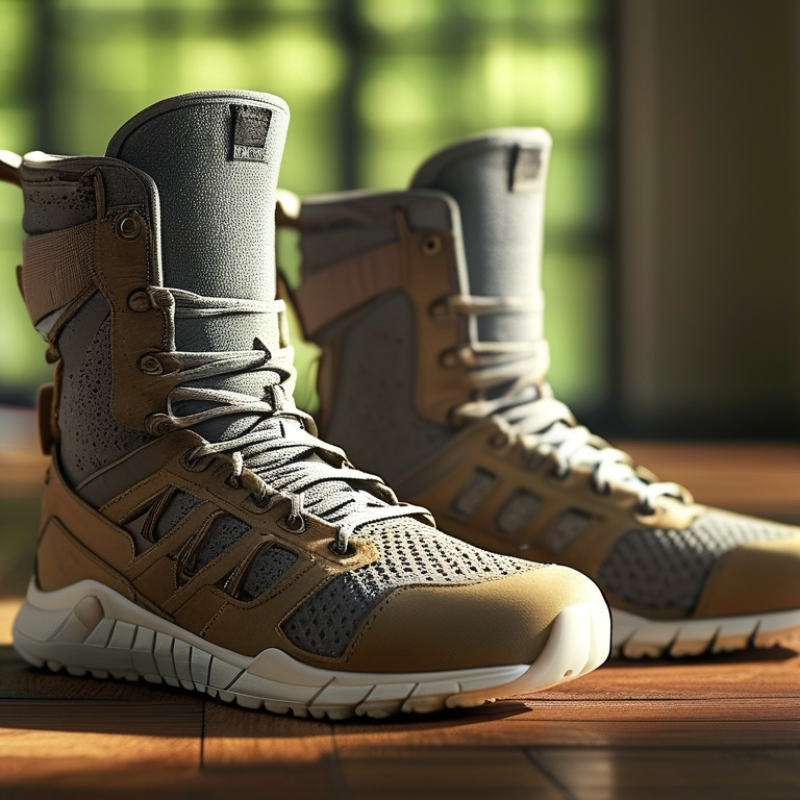
Best Ankle Braces: Understanding Types and Materials for Optimal Support
When considering ankle braces, understanding the types and materials can greatly impact support and injury prevention. Ankle braces come in various forms, including rigid, semi-rigid, and soft models. Rigid braces provide maximum support, ideal for preventing injuries during high-intensity activities. However, they may limit mobility. On the other hand, soft braces offer more flexibility while still providing essential support. This balance can be crucial for athletes.
Materials used in ankle braces also play a significant role. Common options include neoprene, which offers warmth and compression, and high-density foam for comfort. A study by the American Journal of Sports Medicine found that athletes wearing appropriate ankle braces reduced their risk of re-injury by 50%. Despite this, some users report discomfort or excessive bulk, which may affect performance.
Moreover, not all ankle braces fit well. Poor fitting can lead to decreased support and even injuries. It's vital to choose a brace that fits snugly without restricting circulation. Regular assessments of fit and function can enhance effectiveness. Ultimately, knowing the types and materials of ankle braces can help individuals make informed choices and improve safety in their activities.
Best Ankle Braces for Support and Injury Prevention
| Type | Material | Support Level | Features | Ideal For |
| Rigid Ankle Brace | Plastic, Foam | High | Stiff support, Adjustable straps | Post-injury recovery |
| Compression Sleeve | Elastic, Nylon | Medium | Lightweight, Breathable | Preventing injuries during activities |
| Elastic Ankle Support | Elastic fabric | Low | Flexible, Comfortable fit | Light support during exercise |
| Air Cast | Synthetic, Air bladders | High | Inflatable, Adjustable compression | Post-surgery, severe injuries |
| Stabilizing Ankle Brace | Neoprene, Plastic | Medium to High | Adjustable, Ankle support | Athletes, Active individuals |
Key Features to Look for in Ankle Braces: Stability and Comfort Analysis
When selecting an ankle brace, key features like stability and comfort play a crucial role. A study published in the *Journal of Sports Medicine* indicates that 40% of ankle injuries occur during activities requiring quick lateral movements. An effective ankle brace should provide compression to promote blood circulation and support the joint. The right amount of stabilization can limit excessive foot and ankle movements, reducing the risk of injuries.
Comfort is equally important. A report from the *American Orthopedic Foot & Ankle Society* highlights that nearly 30% of individuals abandon ankle braces due to discomfort. You want a product that fits snugly but does not restrict circulation. Breathable materials can minimize sweat and skin irritation during prolonged use. Look for adjustable designs to cater to individual anatomy, which contributes to both stability and comfort.
Some braces might feel overly rigid at first, limiting your range of motion. It’s essential to find a balance between support and flexibility. Regular feedback from users suggests that comfort evolves with wear, so consider options that allow for gradual acclimation. [A 2022 survey reveals] that 75% of athletes prefer braces they can wear all day, but they must commit to finding the right fit. Prioritizing stability without sacrificing comfort can enhance your performance and safety.
Industry Statistics on Ankle Injuries: Prevention Through Proper Bracing
Ankle injuries are surprisingly common, especially in sports. Statistics show that one in three sports injuries involves the ankles. This highlights the need for effective prevention strategies. Supporting the ankle with a proper brace can reduce the risk of such injuries. Many athletes overlook this crucial aspect. They often think they won't get hurt, but reality sometimes begs to differ.
Research indicates that wearing a brace during physical activities significantly lowers the incidence of ankle injuries. A properly designed brace can provide essential support. It stabilizes the ankle, limits excessive movement, and absorbs shock. However, improper use can lead to subsequent issues. Some users might feel overly reliant on the brace and neglect muscle strength training. This can reduce overall stability and increase injury risk in the long run.
Understanding how to properly use ankle braces is vital. Selection based on fit and type is key. Whether you are an athlete or someone active in daily life, consider your specific needs. A good fit promotes comfort and encourages regular use. Engaging with a healthcare professional about your choices is advisable. Their insights can guide you and help tailor your approach to injury prevention effectively.
Comparative Review of Top Ankle Braces: Effectiveness and User Feedback
Selecting the right ankle braces is essential for effective support and injury prevention. Various types cater to different needs, from mild sprains to significant stability issues. Feedback shows that many users appreciate braces with adjustable straps, allowing for a customized fit. This feature enhances comfort during physical activity, leading to fewer complaints about irritations.
User reviews reveal mixed experiences with the effectiveness of several models. Some individuals claim significant relief and increased confidence while playing sports. Others, however, report poor durability after minimal use. This inconsistency raises questions about the quality assurance of certain options. Some users note that thicker materials provide better support but can restrict movement.
It is crucial to consider personal needs when selecting a brace. Individuals with high activity levels may require more robust support. Yet, a bulky design can feel cumbersome. This balance between protection and mobility often drives the decision-making process. As with any equipment, personal experience plays a significant role in finding the right fit and level of support.
Guidelines for Selecting the Right Ankle Brace for Specific Sports Activities
Choosing the right ankle brace is crucial for athletes. Each sport presents unique physical demands. For example, a basketball player may need a brace that allows for mobility yet provides lateral support. According to a 2021 report by the American Journal of Sports Medicine, proper ankle support can reduce the risk of injury by up to 50%. It highlights how flexibility and support balance are essential.
Consider the sport and its specific movements. Soccer players require a different design than runners. The brace should fit snugly, but not restrict blood flow. A study in the Journal of Orthopedic Research notes that improper fit can lead to blisters or further injuries. This means athletes should prioritize comfort and performance simultaneously.
Ponder the types of ankle braces available. Some offer rigid support, while others provide mild compression. The choice depends on personal injury history and activity level. It’s essential to reflect on past injuries when selecting a brace. Not every brace will work for everyone. Therefore, careful consideration and testing are key to finding the best option.
Best Ankle Braces for Support and Injury Prevention